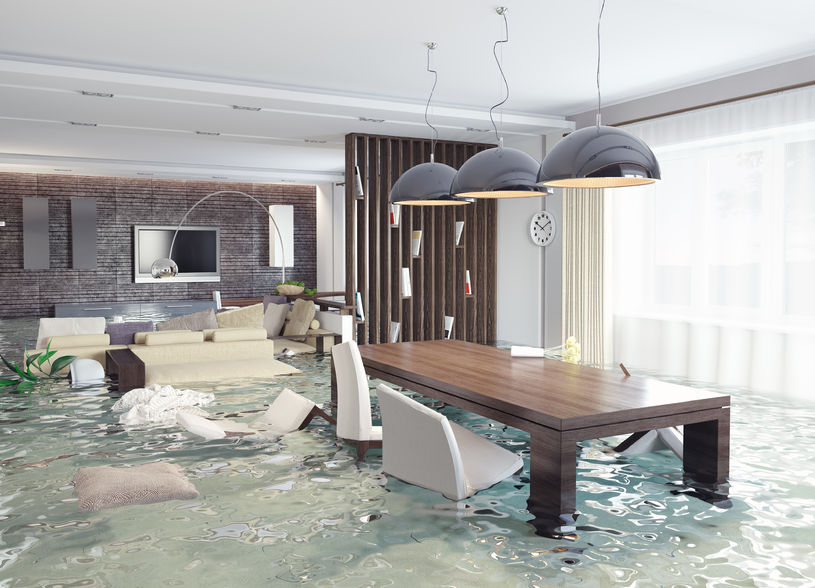
Not all water damage is the same, and the type of water involved makes a major difference in how a loss must be handled. Restoration professionals classify water into three categories based on how contaminated it is, and that classification determines the cleanup, the safety precautions, and what can be salvaged. Understanding these categories helps Southern California homeowners grasp why some water losses are simple and others are hazardous. Here is what Category 1, 2, and 3 water mean and why the type of water matters so much.
Understanding water categories helps you grasp what your loss requires. Homeowners across San Diego and Riverside counties trust our team, as our recent reviews show, and here is what the three water categories mean.
A System Based on Contamination
The three-category system classifies water by how contaminated and hazardous it is, which determines the proper response. The IICRC establishes these industry standards. Our water damage restoration team identifies the category first, because everything from safety to salvage depends on what kind of water is involved.
Category 1: Clean Water
Category 1 is clean water from a sanitary source, such as a supply line, faucet, or water heater. It poses little immediate health risk, but it does not stay clean, because as it sits and contacts materials, it can degrade to a higher category. Prompt response keeps Category 1 water from becoming a worse problem.
Category 2: Gray Water
Category 2, or gray water, contains some contamination and can cause illness if contacted, coming from sources like washing machines, dishwashers, or toilet overflow without solid waste. It requires more careful handling and cleaning than clean water. Left untreated, gray water also degrades to Category 3, which is why prompt, proper response matters.
Category 3: Black Water
Category 3, or black water, is grossly contaminated and dangerous, containing harmful pathogens. It comes from sewage, flooding from outside, or any water with serious contamination. The CDC addresses the hazards of contaminated water. Category 3 demands specialized cleanup, protective measures, and disposal of contaminated materials.
Why the Category Changes Everything
The water category dictates the safety precautions, the cleaning and disinfection required, and what materials can be saved versus discarded. A clean-water loss may be dried and restored, while a black-water loss requires removal and disinfection. Identifying the category correctly is the foundation of safe, effective restoration.
Categories Can Worsen Over Time
A crucial point is that water categories are not fixed, clean water becomes gray, and gray becomes black, the longer it sits and contacts contamination. This degradation is a major reason prompt response matters, because acting quickly can keep a loss in a lower, safer, more salvageable category rather than letting it deteriorate.
Salvage Depends on Category
What can be saved depends heavily on the water category. Clean-water losses often allow materials to be dried and kept, while contaminated water frequently requires removing porous materials that cannot be safely cleaned. Understanding this helps homeowners see why some items are restored and others must be replaced for safety.
Safety Precautions by Category
Higher water categories require greater safety precautions, from protective equipment to containment, to protect both occupants and workers. We apply the precautions each category demands, ensuring contaminated water is handled safely. This protects your family from exposure and ensures the cleanup itself does not spread contamination through the home.
Professional Assessment Is Key
Determining the water category accurately requires professional knowledge, especially as categories can change. We assess every water loss to classify it correctly, then apply the right response. This professional judgment ensures your loss is handled appropriately, neither over-handled nor dangerously under-handled, for a safe and effective restoration.
Why This Matters for Your Home
Knowing about water categories helps you understand the urgency and the proper handling of any water loss. The type of water shapes everything about the restoration, and treating contaminated water as if it were clean is dangerous. We classify and handle every loss correctly, protecting your home and family across Southern California.
Restoring a home after damage often takes more than one trade, and we are glad to point Southern California property owners toward other trusted professionals when a need falls outside restoration. Homeowners who also need professional handyman services or reliable home repair and handyman services can rely on those specialists to handle that work in their own service areas, so every part of the recovery stays in capable hands.
Where to Learn More
Your Southern California Water Damage Restoration Specialists
Dealing with a water loss? Contact us for professional water damage restoration across Southern California.


