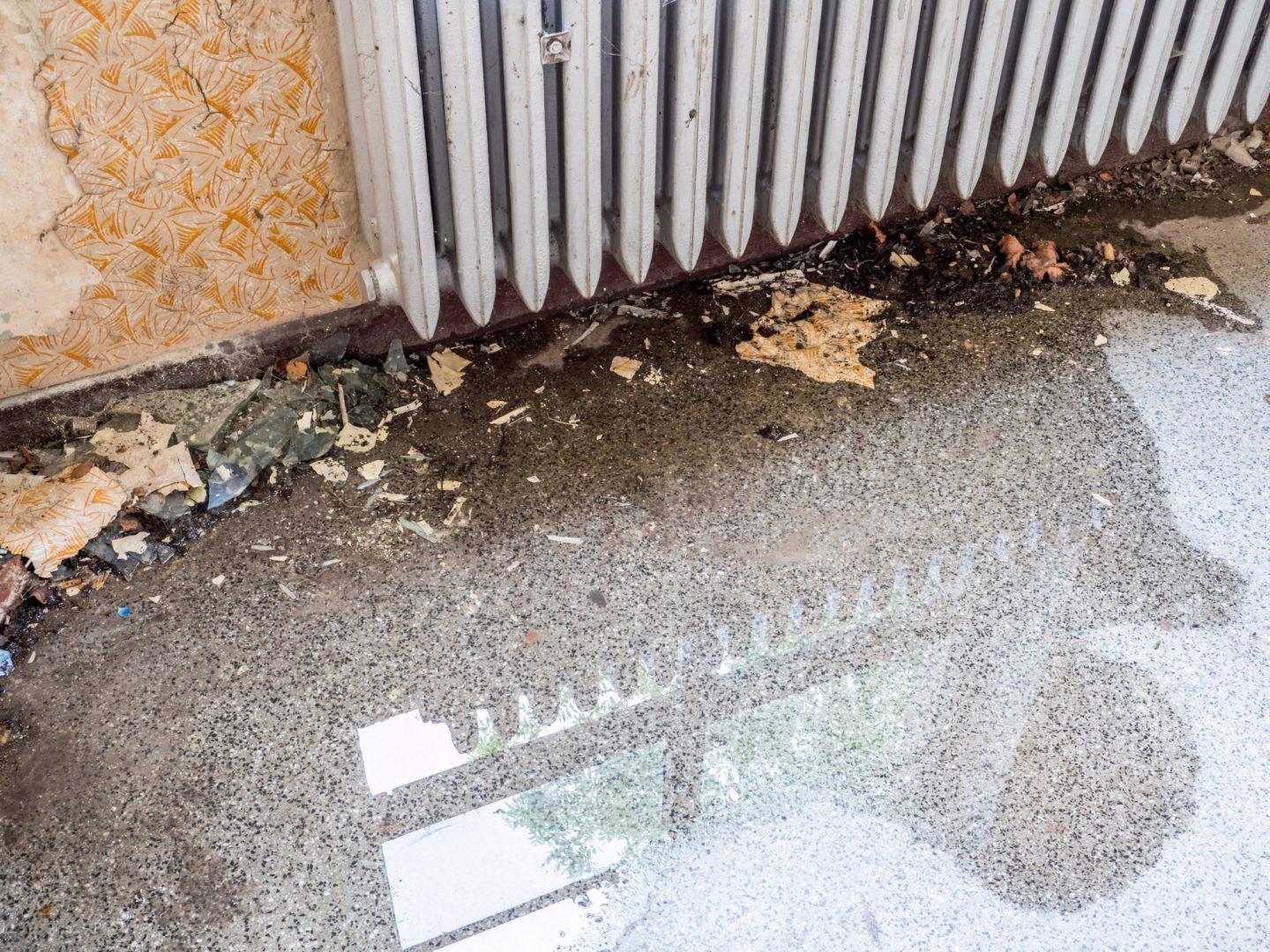
Of all the plumbing problems a homeowner can face, a main sewer line backup is by far the most unpleasant, destructive, and hazardous. When your home’s main drain line becomes blocked, the raw sewage from your entire household has nowhere to go but back up into your home, typically emerging from the lowest drain point like a shower or bathtub on the first floor. This event is more than just a messy flood; it’s a serious biohazard situation that requires an immediate and professional response to protect the health of your family and the safety of your property.
Understanding “Black Water” and Its Health Risks
Water damage is categorized into three types, and a sewer backup is classified as Category 3, also known as “black water.” This is the most dangerous category because the water is grossly contaminated and can contain a host of harmful pathogens. Black water can include:
- Bacteria: Such as E. coli, Salmonella, and Shigella, which can cause severe gastrointestinal illness.
- Viruses: Including rotavirus and hepatitis A.
- Parasites: Such as Giardia and Cryptosporidium.
- Fungi and Mold: The high moisture and organic content create a perfect breeding ground for dangerous molds.
As the Centers for Disease Control and Prevention (CDC) makes clear, any direct contact with contaminated water from a sewer backup can cause serious illness. It is crucial that homeowners and their families avoid the affected area and do not attempt to clean it up themselves without the proper training and personal protective equipment (PPE).
Why DIY Cleanup is Not an Option
Attempting to clean up a sewage backup on your own is extremely dangerous and ineffective.
- Health Exposure: Without industrial-grade PPE, including a respirator, waterproof gear, and gloves, you are exposing yourself directly to dangerous pathogens.
- Porous Materials Cannot Be Salvaged: Any porous materials that have absorbed black water must be removed and disposed of. This includes carpet, carpet padding, drywall, insulation, and most upholstered furniture. Simply cleaning the surface of these items is not enough, as the contamination has soaked deep into the material.
- Lack of Proper Sanitization: Household cleaners like bleach are not sufficient to properly sanitize an area affected by a sewage backup. A professional restoration company uses specialized, EPA-approved antimicrobial and disinfectant agents to ensure the area is safe and free of pathogens.
- Hidden Moisture: Even after the visible water is gone, moisture can remain trapped in wall cavities and under flooring, which will lead to structural rot and severe mold growth. Professionals use specialized drying equipment and moisture meters to ensure the structure is completely dry.
As the restoration industry’s standard-setting body, the Institute of Inspection, Cleaning and Restoration Certification (IICRC), outlines in its S500 standard, sewage cleanup requires a specific, professional protocol to ensure the safety and health of the building’s occupants.
Your San Diego Sewer Damage Restoration Experts
A sewer backup is a true emergency that requires a professional, biohazard-level response. It’s not a job for a standard cleaning service or a DIY project. For homeowners in San Diego facing this hazardous situation, the certified team at Cutting Edge Restoration has the training, equipment, and safety protocols to handle sewer damage restoration. Contact us immediately for 24/7 emergency service.


