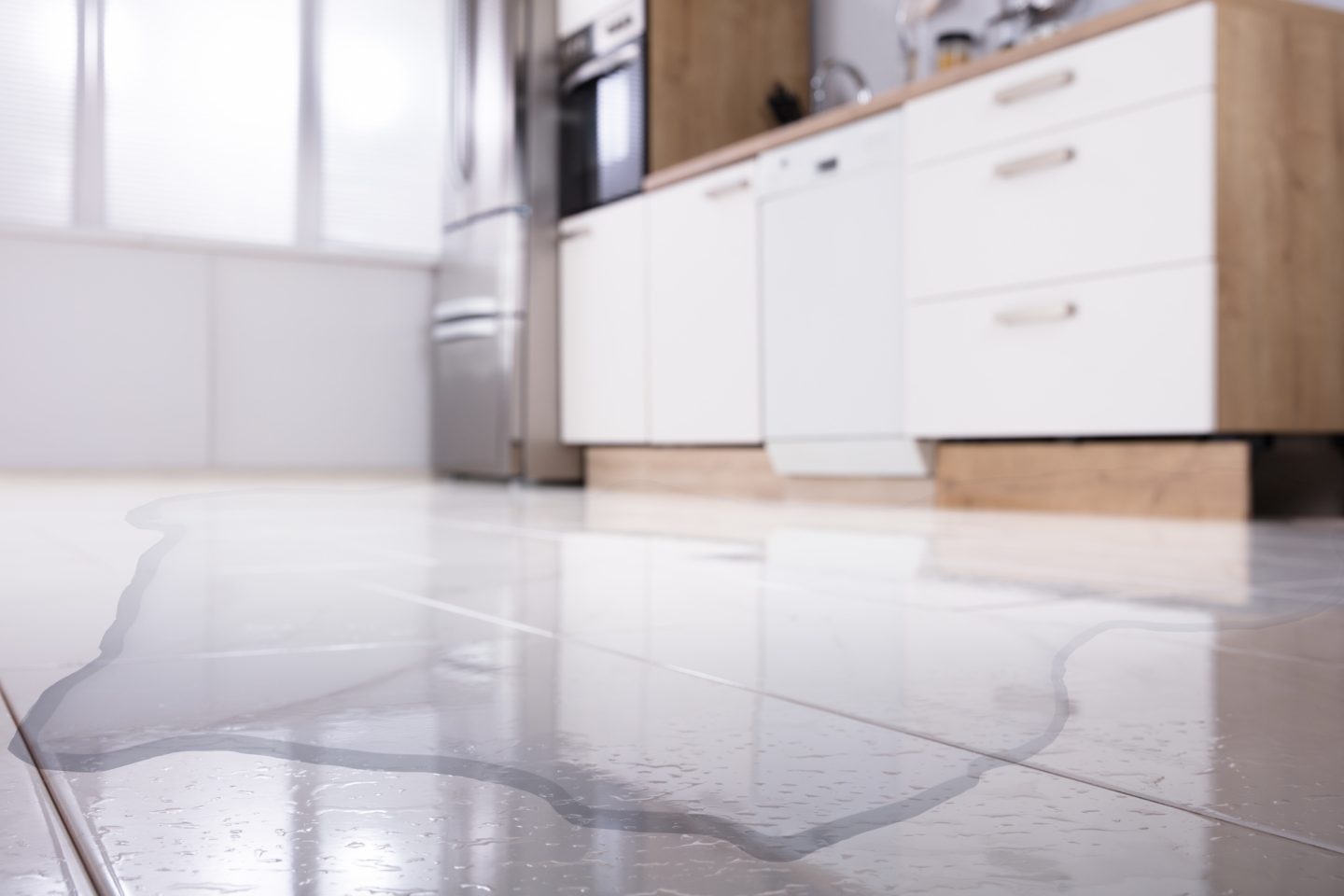
Removing standing water is only the beginning of water damage restoration. The real science, and the part that determines whether a home is truly restored or left to develop mold, is structural drying and dehumidification. Materials hold moisture long after the visible water is gone, and drawing it out properly requires equipment, monitoring, and expertise. Understanding why proper drying matters helps Southern California homeowners appreciate what professional restoration provides. Here is the science of drying and dehumidification and why it is the heart of proper restoration.
Understanding the science of drying shows why professional restoration matters. Homeowners across San Diego and Riverside counties trust our team, as our recent reviews show, and here is how proper drying works.
Why Drying Is the Critical Step
After water is extracted, materials remain saturated, and unless they are dried completely, the home is not restored. Our water damage restoration team focuses on this critical step, drawing moisture out of structures thoroughly because incomplete drying is what leads to mold, odors, and ongoing damage long after the visible water is gone.
Materials Hold Hidden Moisture
Drywall, wood, insulation, and concrete all absorb and retain water far beyond what the surface shows. This hidden moisture is the real challenge of drying. Professional equipment and moisture detection find and remove it, ensuring the materials that look dry are actually dry throughout, which surface evaluation alone cannot confirm.
Air Movers Speed Evaporation
Drying relies on air movement to speed evaporation, pulling moisture from materials into the air. High-velocity air movers are positioned strategically to dry affected surfaces efficiently. This controlled airflow accelerates drying dramatically compared to natural evaporation, removing moisture before it has time to cause mold or further damage.
Dehumidifiers Remove Moisture From Air
As air movers push moisture into the air, dehumidifiers remove it, preventing that moisture from simply resettling elsewhere in the home. This pairing is the core of structural drying. Powerful dehumidifiers pull large volumes of water from the air, keeping humidity low so materials continue to release moisture and dry completely.
Controlling the Drying Environment
Effective drying means managing temperature, humidity, and airflow together as a system. Restoration professionals create the conditions that dry materials fastest while preventing moisture from spreading. The IICRC defines the standards for proper structural drying, which guide how the drying environment is controlled.
Monitoring With Moisture Meters
Drying is verified, not assumed, using moisture meters that measure the actual moisture content of materials. Daily readings track progress and confirm when materials reach normal levels. This measurement-based approach ensures drying is complete, replacing guesswork with data so the home is not declared dry while moisture remains.
Preventing Mold Through Drying
The entire purpose of fast, complete drying is to deny mold the moisture it needs. The EPA notes that drying within 24 to 48 hours prevents mold growth. Proper structural drying is therefore the best mold prevention there is, stopping the problem before it can begin.
Why DIY Drying Falls Short
Home fans and household dehumidifiers cannot match professional equipment, and without moisture detection, homeowners cannot know whether materials are truly dry. DIY drying often leaves hidden moisture that leads to mold and damage. Professional drying brings the equipment and expertise that ensure the home is genuinely, completely dry.
The Foundation of Lasting Restoration
Proper drying is what makes the rest of the restoration last, repairs made over damp materials fail, while repairs over properly dried structures endure. The science of drying is the foundation of quality restoration. We bring that science to every Southern California home, ensuring drying is done right so the restoration holds.
Restoring a home after damage often takes more than one trade, and we are glad to point Southern California property owners toward other trusted professionals when a need falls outside restoration. Homeowners who also need trusted property maintenance services or expert air conditioning services can rely on those specialists to handle that work in their own service areas, so every part of the recovery stays in capable hands.
Trusted Information for Homeowners
Drying Done Right Lasts
The difference between drying a home and drying it properly is the difference between a restoration that lasts and one that fails. Repairs made over materials that were only surface-dried will buckle, stain, and grow mold, while repairs over genuinely dry structures hold for years. That is why we treat structural drying as the foundation of every restoration, using professional air movers, dehumidifiers, and daily moisture monitoring to confirm that materials are dry throughout before any repair begins. For Southern California homeowners, this science-based approach is what ensures a water loss is truly resolved rather than merely covered over, protecting both the home and the investment in restoring it.
Your Southern California Water Damage Restoration Specialists
Need water damage dried properly? Contact us for professional structural drying across Southern California.


