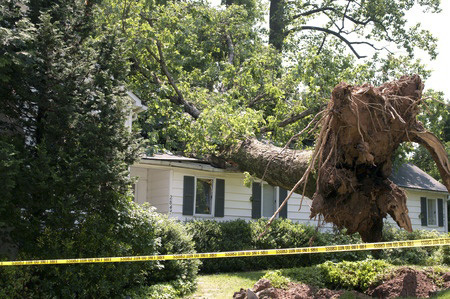
San Diego is famous for its “perfect” weather, but locals know that paradise has a temper. When the Santa Ana winds kick up, they bring gusts that can topple trees, tear down fences, and rip shingles right off your roof. While we may not face the hurricanes of the East Coast, our unique wind events are powerful enough to cause significant structural damage.
The problem with wind damage is that it is often subtle. Unless a massive oak tree falls through your living room ceiling, you might not realize your home has been compromised until the next time it rains. A few missing shingles or a lifted flashing strip might look minor from the driveway, but they represent a major breach in your home’s envelope.
Ignoring the aftermath of a windstorm is a gamble with high stakes. Water intrusion is a patient enemy; it waits for the path of least resistance. Understanding how wind interacts with your home—and knowing what to look for after the storm passes—is essential for every San Diego homeowner.
The Anatomy of Roof Damage
Your roof is designed to shed water, not to resist upward lift. High winds create a vacuum effect over the top of your roof (similar to how an airplane wing works). This negative pressure can lift shingles up, breaking the adhesive seal that holds them down.
Once that seal is broken, the shingle might lay back down flat when the wind dies. To the untrained eye, the roof looks fine. But the next time the wind blows, that shingle will flap, and eventually, it will tear off. More importantly, debris and water can now get underneath it.
This “hidden” damage is the leading cause of slow leaks. Water seeps into the underlayment, rotting the plywood sheathing and eventually dripping onto your attic insulation. By the time you see a stain on your ceiling, the rot has been spreading for months. The National Weather Service frequently highlights that securing loose items and inspecting roofs post-storm are critical steps in preventing long-term property loss.
Emergency Board-Up: Security and Safety
When wind damage is catastrophic—such as a broken window from flying debris or a collapsed section of a wall—speed is everything. You cannot wait for a full renovation quote to secure your home. You need an emergency board-up.
This isn’t just about keeping rain out; it’s about security. A compromised home is an invitation to looters or wildlife. Professional restoration companies provide 24/7 board-up services to physically seal the breach.
This involves more than just nailing plywood over a hole. It requires structural assessment. Is the wall stable enough to hold the board? Are there exposed electrical wires? Securing the site prevents “secondary damage” and liability issues while you wait for the insurance adjuster to arrive. Resources from FEMA emphasize that stabilizing the structure immediately is crucial for safety and for validating insurance claims.
Inspecting Your Property After the Storm
Once the winds have died down, do a perimeter walk of your property (safely, watching for downed power lines). Look for these tell-tale signs:
-
Granule Loss: Check your downspouts. If you see a pile of grit that looks like asphalt, your shingles have been stripped of their protective coating.
-
Fence Lean: High winds often weaken the concrete footings of fences. A leaning fence is a safety hazard for pets and children.
-
Window Seals: Check the caulking around your windows. Wind pressure can sometimes break the seal, allowing moisture to penetrate the wall cavity.
If you suspect damage, do not climb on the roof yourself. Roofs are dangerous, especially when potentially unstable. Hiring a professional to perform a drone inspection or a physical walk-through is the safest way to assess the situation.
Your San Diego Experts for Wind and Storm Damage
When the winds howl, we are your calm after the storm. Secure your home and prevent water intrusion with our rapid response team.
Cutting Edge Restoration specializes in emergency stabilization and structural repair following severe weather events. Visit our Wind and Storm Damage page for immediate assistance, or Contact Us to schedule a roof inspection.


