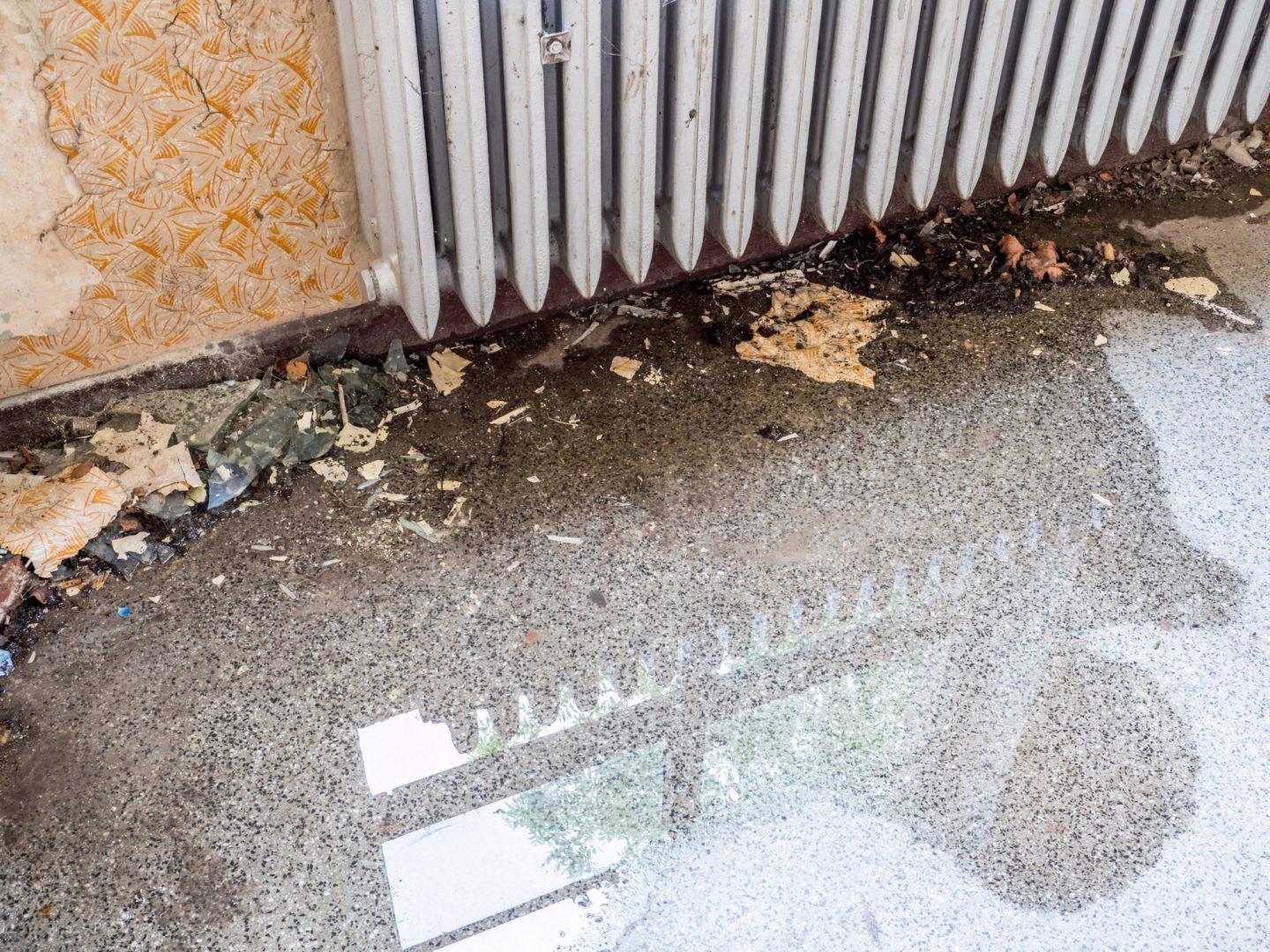
It is the situation every homeowner dreads. You flush the toilet, and instead of the water going down, it starts rising. Or worse, you walk into your basement or garage to find a dark, foul-smelling pool of water spreading across the floor. A sewer backup is more than just a plumbing inconvenience; it is an immediate and serious environmental emergency within your home.
Unlike a burst pipe that sprays clean tap water, a sewer backup brings the “outside” in. It forces raw sewage, industrial waste, and dangerous pathogens back up through your drains and into your living space. The instinct to grab a mop and a bucket of bleach is understandable, but it is also dangerous.
For San Diego residents, understanding the true nature of sewage damage—technically known as “Category 3” water—is vital. This isn’t just dirty water; it is a toxic substance that requires professional containment, specialized personal protective equipment (PPE), and hospital-grade sanitization to ensure your home is safe to inhabit again.
Understanding Category 3: The “Black Water” Threat
In the restoration industry, water is classified into three categories based on its level of contamination. A clean pipe burst is Category 1. A dishwasher leak (with food particles) is Category 2. Sewage is Category 3, also known as “Black Water.”
Category 3 water is defined as “grossly unsanitary.” It contains agents that cause severe illness or death in humans. This includes human feces, urine, and a cocktail of household chemicals. When this water touches your floors, walls, or personal belongings, it doesn’t just wet them; it infects them.
The Centers for Disease Control and Prevention (CDC) warns that exposure to floodwaters and sewage can lead to infections like E. coli, Salmonella, and Hepatitis A. These pathogens can be transmitted through direct contact with the skin, ingestion (even accidental hand-to-mouth contact), or inhalation if the sewage is allowed to dry and become aerosolized dust. This is why professional restorers wear full-body Tyvek suits and respirators. Entering a sewage-affected area in flip-flops and a t-shirt is a serious health risk.
The Problem with Porous Materials
The biggest challenge with sewer damage is not the water you see on the tile; it is the water that has soaked into the materials around the tile. Building materials fall into two categories: porous and non-porous.
Non-porous materials like concrete, glass, and ceramic tile can usually be cleaned and sanitized. However, porous materials like drywall, carpet, carpet padding, insulation, and wood baseboards act like a sponge. When they absorb Black Water, they trap the bacteria and viruses deep inside their structure.
No amount of surface cleaning can make these porous materials safe again. You cannot “shampoo” sewage out of a carpet. The industry standard protocol (IICRC S500) dictates that porous materials contacted by sewage must be removed and disposed of. Attempting to save them often leads to lingering odors and a permanent reservoir of bacteria in your home. WebMD advises that anything that cannot be thoroughly dried and sanitized within 24 to 48 hours should be discarded to prevent mold and bacterial growth.
The Psychological Toll and Odor Control
Beyond the physical damage, the smell of a sewer backup is overwhelming. It permeates the home, embedding itself in furniture, drapes, and clothes in rooms that weren’t even touched by the water. This odor is caused by the off-gassing of bacteria breaking down organic waste.
Removing the water is only the first step. True restoration involves sophisticated odor control. This isn’t about lighting a scented candle. It requires the use of air scrubbers equipped with activated charcoal filters to pull contaminants out of the air. It often involves thermal fogging, which releases a deodorizing mist that binds to the odor molecules on a chemical level to neutralize them.
Furthermore, the psychological impact of a sewage event is real. Knowing your home was contaminated can make it hard to feel clean there again. Professional clearance testing—where a third-party hygienist tests the surfaces for bacteria—provides the scientific proof you need to sleep soundly. It verifies that the home is not just visually clean, but biologically safe.
Your San Diego Experts for Sewer Damage Restoration
Don’t gamble with your family’s health. When the unthinkable happens, trust the team with the training and equipment to handle biohazards safely.
Cutting Edge Restoration provides rapid, discreet, and thorough sewage cleanup services. Visit our Sewer Damage Restoration page for emergency help, or Contact Us immediately if you suspect a backup.


