
It starts with a piece of mail. You open your monthly water bill expecting the usual amount, but instead, you see a number that is double or triple what you normally pay. You ask your family if anyone has been taking hour-long showers. You check the toilets to see if they are running. You look under the sinks. Everything seems dry.
This is the frustrating phenomenon of the “phantom leak.” The water is going somewhere, but you can’t see it. In San Diego, where water rates are among the highest in the country, a hidden leak isn’t just a maintenance issue; it is a financial emergency.
The culprit is often hidden deep underground or behind your walls. Finding it used to mean tearing up floorboards and punching holes in drywall until the pipe was found. Today, however, modern leak detection technology allows us to pinpoint the source of the problem with laser-like precision, saving your home from unnecessary destruction.
The Slab Leak: A San Diego Epidemic
Many homes in San Diego are built on concrete slab foundations with copper plumbing running underneath the concrete. Over time, the chemistry of our water and the soil can cause a reaction in the copper pipes, leading to pinhole leaks. This is known as a “slab leak.”
Because the leak is buried under feet of concrete, you won’t see a puddle right away. Instead, you might notice:
-
Warm Spots: A random hot spot on your floor (if it is a hot water line).
-
Sound: The sound of running water when all taps are off.
-
Cracks: Fine cracks appearing in your baseboards or tiles.
-
Mildew: A musty smell in a specific area of the house.
If left untreated, a slab leak can erode the soil supporting your foundation, leading to significant structural shifts. According to The Spruce, early detection is critical because the longer water runs under your foundation, the higher the risk of settling and cracking, which can cost tens of thousands of dollars to repair.
Technology Over Destruction
The days of “guess and check” plumbing are over. Professional leak detection specialists act like house doctors, using diagnostic tools to see inside the “patient” without surgery.
We utilize a combination of technologies:
-
Acoustic Detection: Sensitive listening discs amplify the sound of water escaping a pipe under pressure. We can “hear” the leak through the concrete.
-
Thermal Imaging: Infrared cameras detect minute temperature differences. A leak behind a wall or under a floor will often show up as a blue (cold) or red (hot) plume that is invisible to the naked eye.
-
Tracer Gas: In difficult cases, we pump a safe, non-toxic gas into the plumbing system. The gas escapes through the leak and rises to the surface, where a sensitive “sniffer” probe detects it.
This non-invasive approach protects your property. We don’t break ground until we know exactly where the problem is. This minimizes the repair footprint, meaning you might only need to replace one tile instead of the whole floor.
The “Running Toilet” Myth
While slab leaks are severe, sometimes the “phantom leak” is simpler but equally costly. A silent toilet leak—where the flapper valve doesn’t seal properly—can waste up to 200 gallons of water a day. That is 6,000 gallons a month!
Similarly, a pinhole leak in a landscape irrigation line can go unnoticed for months, soaking into the soil without ever creating a surface puddle. The EPA WaterSense program notes that the average household’s leaks can account for nearly 10,000 gallons of water wasted every year.
Professional leak detection is a comprehensive audit of your entire water system. We isolate the house from the irrigation, check the pressure regulators, and verify every fixture. It provides peace of mind that every drop of water you are paying for is actually being used by you.
Why “Wait and See” Costs More
Ignoring a high water bill hoping it was a “one-time thing” is a mistake. Leaks do not fix themselves; they only get worse. The pinhole becomes a tear, and the tear becomes a burst.
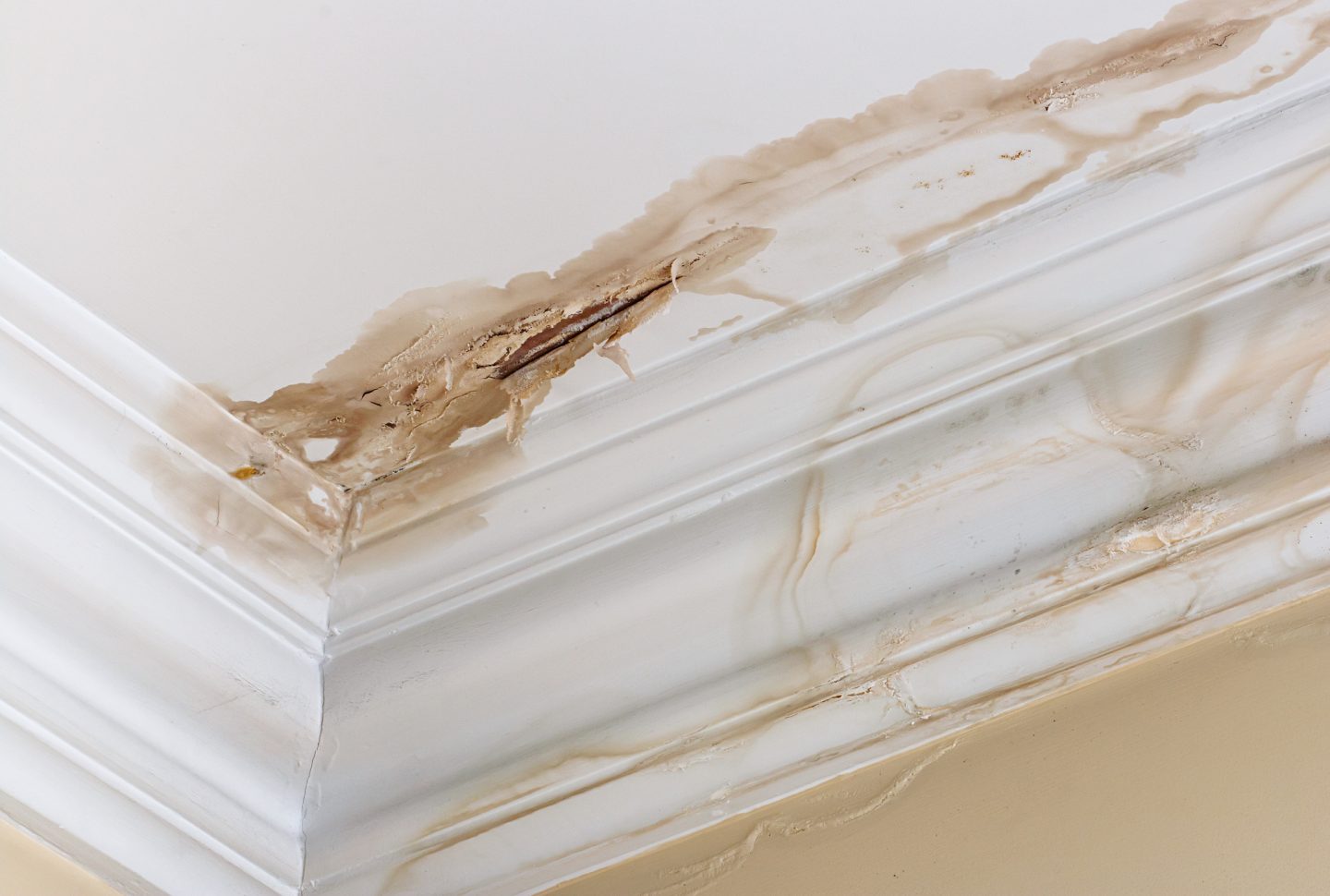
Furthermore, moisture that is slowly leaking inside a wall cavity is creating the perfect environment for mold. By the time you see the water stain on the drywall, the mold colony on the back side of that wall might be extensive. Catching the leak early is the single best way to prevent a minor plumbing repair from turning into a major mold remediation project.
Your San Diego Experts for Leak Detection
Stop flushing money down the drain. We find the leaks others miss, using technology that respects your home.
Cutting Edge Restoration uses non-invasive thermal and acoustic tech to pinpoint problems fast. Visit our Leak Detection page to stop the waste, or Contact Us to schedule a diagnostic visit.


