
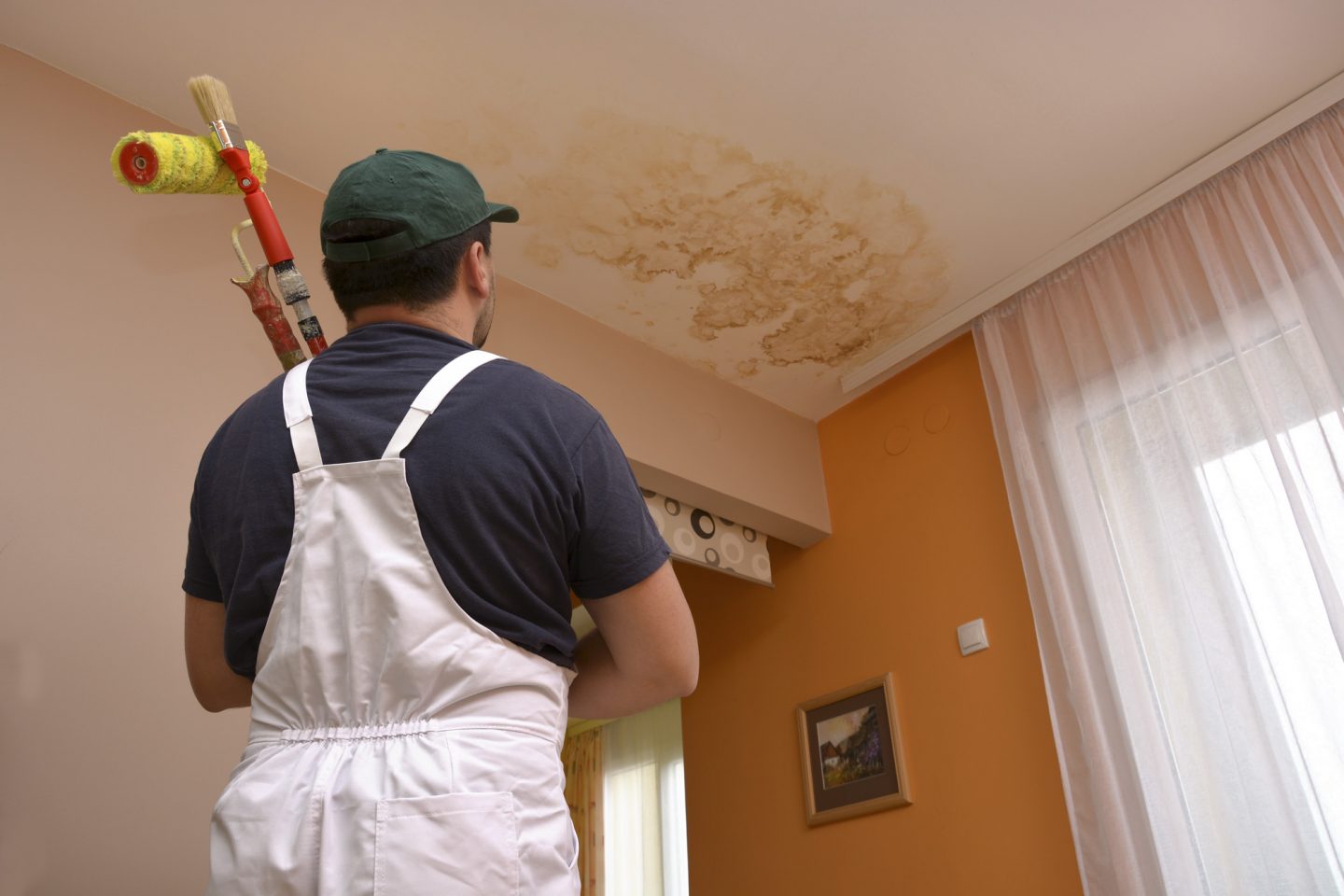
San Diegans are used to a specific weather rhythm: months of sunshine followed by a short, intense rainy season. In recent years, however, that rhythm has intensified. We are hearing a new meteorological term more frequently: the “Atmospheric River.” These massive plumes of moisture travel across the Pacific and dump torrential rain on Southern California, often dropping a year’s worth of precipitation in a single week.
Our city’s infrastructure—and our homes—aren’t always built to handle this volume of water. We don’t have the steep pitched roofs of the snowy Northeast or the deep drainage ditches of the tropical South. As a result, when an atmospheric river stalls over San Diego, the risk isn’t just getting wet; it’s significant structural flooding.
While wind damage rips shingles off from above, storm damage from these events often attacks from below. Ground saturation causes water to pool against foundations, seep into crawlspaces, and breach door thresholds. Understanding how to protect your home during these “wet winters” is essential for avoiding a restoration nightmare.
The Danger of Ground Saturation
San Diego soil has a high clay content in many areas (like Poway and Tierrasanta). Clay soil is expansive. When it gets wet, it swells and holds water rather than letting it drain away quickly. During a multi-day storm event, the ground becomes fully saturated, acting like a full sponge that can hold no more liquid.
When the rain continues to fall on saturated ground, the water has nowhere to go but sideways—often right toward your foundation. This creates “hydrostatic pressure.” The heavy, wet soil pushes against your concrete slab or stem wall.
If there are any cracks in your foundation (which are common in older homes), water will be forced through them. You might come home to find your carpet wet in the middle of the room, with no leak in the ceiling. This is groundwater intrusion. The USGS (United States Geological Survey) explains that once the water table rises to the level of your foundation, gravity and pressure work together to find any entry point into the dry “void” of your home.
Crawlspace Flooding: The Hidden Swimming Pool
For homes with raised foundations (common in North Park, South Park, and Mission Hills), the danger lies in the crawlspace. Heavy storm runoff can flood the space beneath your floorboards.
Because you don’t go into your crawlspace often, this water can sit for weeks after the storm passes. This stagnant pool becomes a breeding ground for mosquitoes and, more dangerously, mold. The moisture evaporates upwards, raising the humidity inside your home and causing hardwood floors to cup and buckle from the bottom up.
Proper drainage is the only defense. This means ensuring your rain gutters are extended at least five feet away from the house and checking that your property grading slopes away from the structure. If you have a history of crawlspace moisture, installing a sump pump is a smart investment. This Old House recommends a “belt and suspenders” approach: managing exterior drainage first, but having interior pumps ready for when nature overwhelms the system.
The Window and Door Threshold Failure
Another common failure point during San Diego storms is the “driving rain.” When rain falls vertically, most windows are fine. But when wind accompanies the rain (as it does in winter storms), water is blasted horizontally against the glass.
Standard weep holes (the tiny slots at the bottom of your window frame) are designed to let small amounts of water drain out. During an atmospheric river, these can get overwhelmed or clogged with dust, causing the window track to fill up and overflow inside the wall.
Similarly, sliding glass doors are notoriously weak points. Most tracks are not completely waterproof against standing water. If your patio doesn’t drain fast enough and water pools against the door, it will seep under the track and ruin your interior flooring. Placing sandbags against sliding doors before the storm hits is a simple, low-cost way to create a barrier.
Immediate Action Saves Money
If you discover storm water intrusion, waiting for the sun to come out is a mistake. Wet drywall and insulation do not dry out on their own; they rot.
The “drying clock” starts the moment the rain stops. You typically have 24 to 48 hours to extract the water and set up dehumidifiers before mold growth begins. Professional restoration companies use “injectidry” systems that can push dry air into wall cavities without tearing all the drywall down, saving you thousands in reconstruction costs.
Your San Diego Experts for Wind and Storm Damage
When the weather turns, we are here to turn the tide. Protect your home from the floodwaters with our rapid extraction services.
Cutting Edge Restoration has the pumps, fans, and expertise to handle major storm flooding. Visit our Wind and Storm Damage page for storm preparation tips, or Contact Us for 24/7 flood response.


